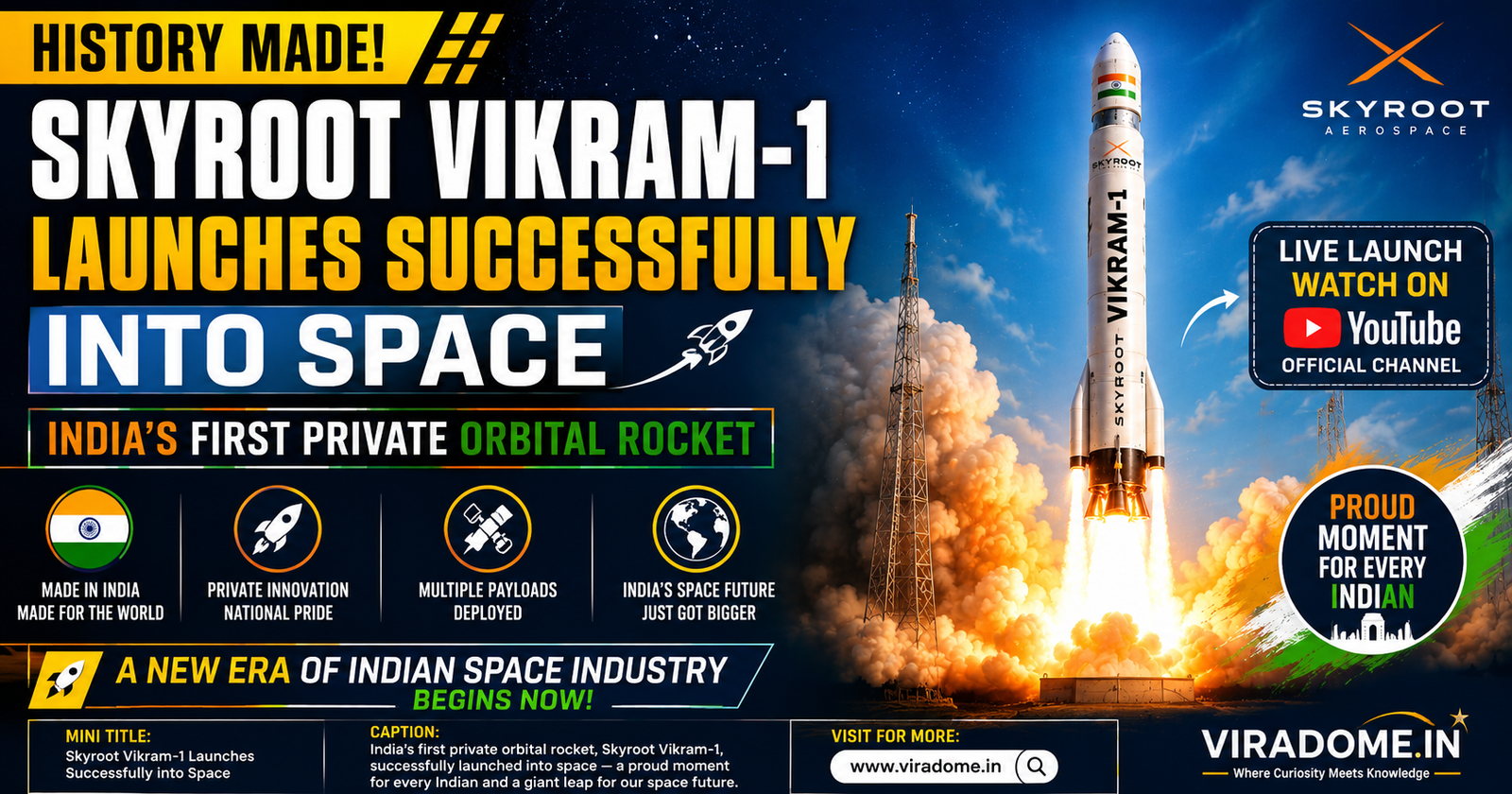
Skyroot Vikram-1 Launches Successfully into Space | India’s First Private Orbital Rocket

Series: ViraDome Space Files – Episode 01
- Miss kar diya live launch ? Koi baat nahi ! Aap Vikram-1 ke launch ki complete livestream YouTube par ka yaha dekh sakte hain aur India ke iss historic space mission ko dobara experience kar sakte hain.
Reader Dashboard
| Details | Information |
|---|---|
| Category | Space & Technology |
| Topic | Skyroot Vikram-1 Successful Launch |
| Company | Skyroot Aerospace |
| Achievement | India’s First Private Orbital Rocket |
| Launch Site | Satish Dhawan Space Centre, Sriharikota |
| Mission Type | Orbital Launch Mission |
| Reading Time | 10-12 Minutes |
| Difficulty | Easy |
| Best For | Students, Space Lovers, Competitive Exam Aspirants, Tech Readers |
Quick Navigation
- Introduction
- Why This Launch is Historic
- What is Skyroot Aerospace?
- The Story Behind Vikram-1
- India’s Space Journey Gets a New Chapter
- ViraDome Quick Facts
Introduction
Kabhi ek time tha jab India mein space mission ka naam aata tha to sirf ek hi organization yaad aati thi — ISRO. Chandrayaan, Mangalyaan, Aditya-L1 aur Gaganyaan jaise missions ne India ka naam duniya bhar mein roshan kiya.
Lekin ab Indian space industry ek naye phase mein enter kar chuki hai.
Ab sirf government hi nahi, balki private companies bhi space race ka hissa ban chuki hain.
Aur isi naye yug ki shuruaat hui hai Skyroot Aerospace ke historic mission ke saath.
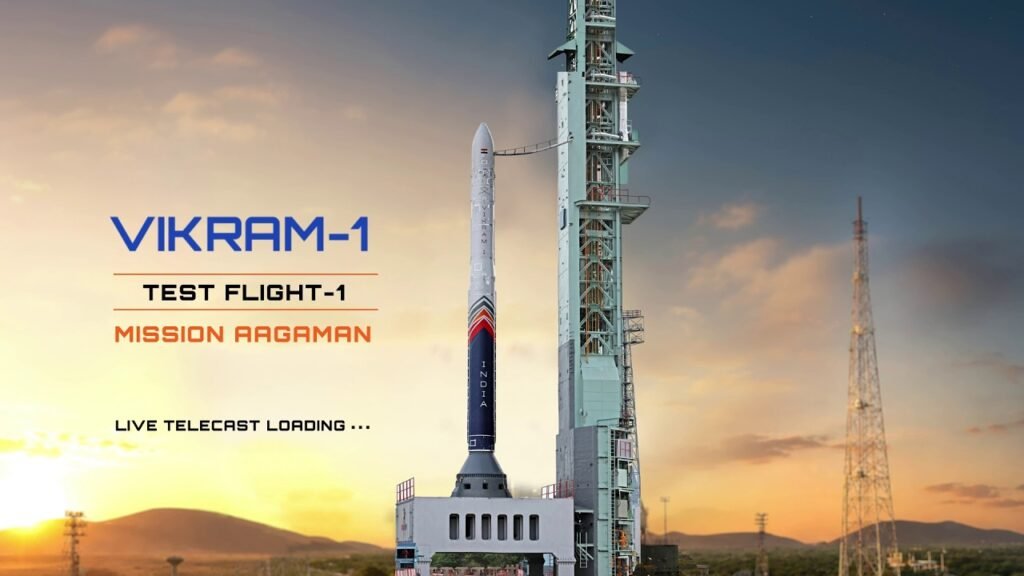
Vikram-1 ne safalta ke saath space mein apni orbital journey complete karke ek aisa record bana diya hai jo Indian private space industry ke liye hamesha yaad rakha jayega.
Ye sirf ek rocket launch nahi tha.
Ye un hazaron engineers, scientists aur young innovators ka sapna tha jo saalon se believe karte the ki India ki private companies bhi global space market mein compete kar sakti hain.
Aaj woh sapna reality ban chuka hai.
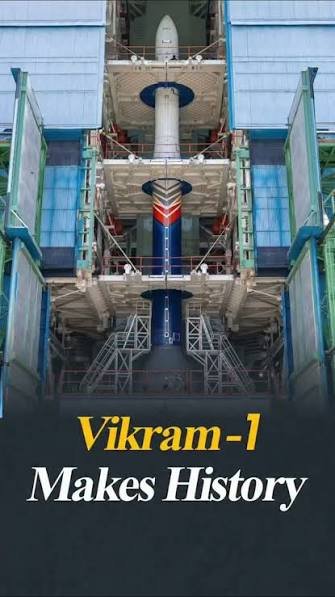
Ek Launch Jo History Ban Gaya
Jab countdown shuru hua…
10…
9…
8…
Poora Mission Control room bilkul shaant tha.
Har engineer ki nazar screen par thi.
Har heartbeat countdown ke saath synchronize ho chuki thi.
Aur jaise hi countdown zero par aaya…
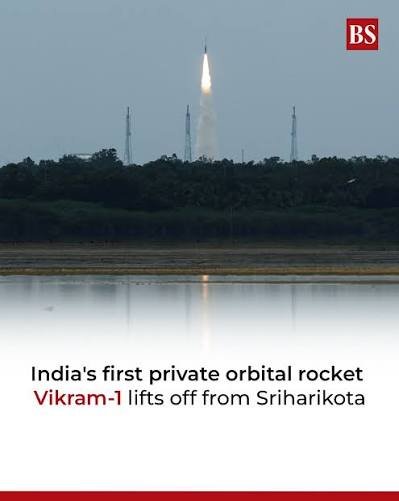
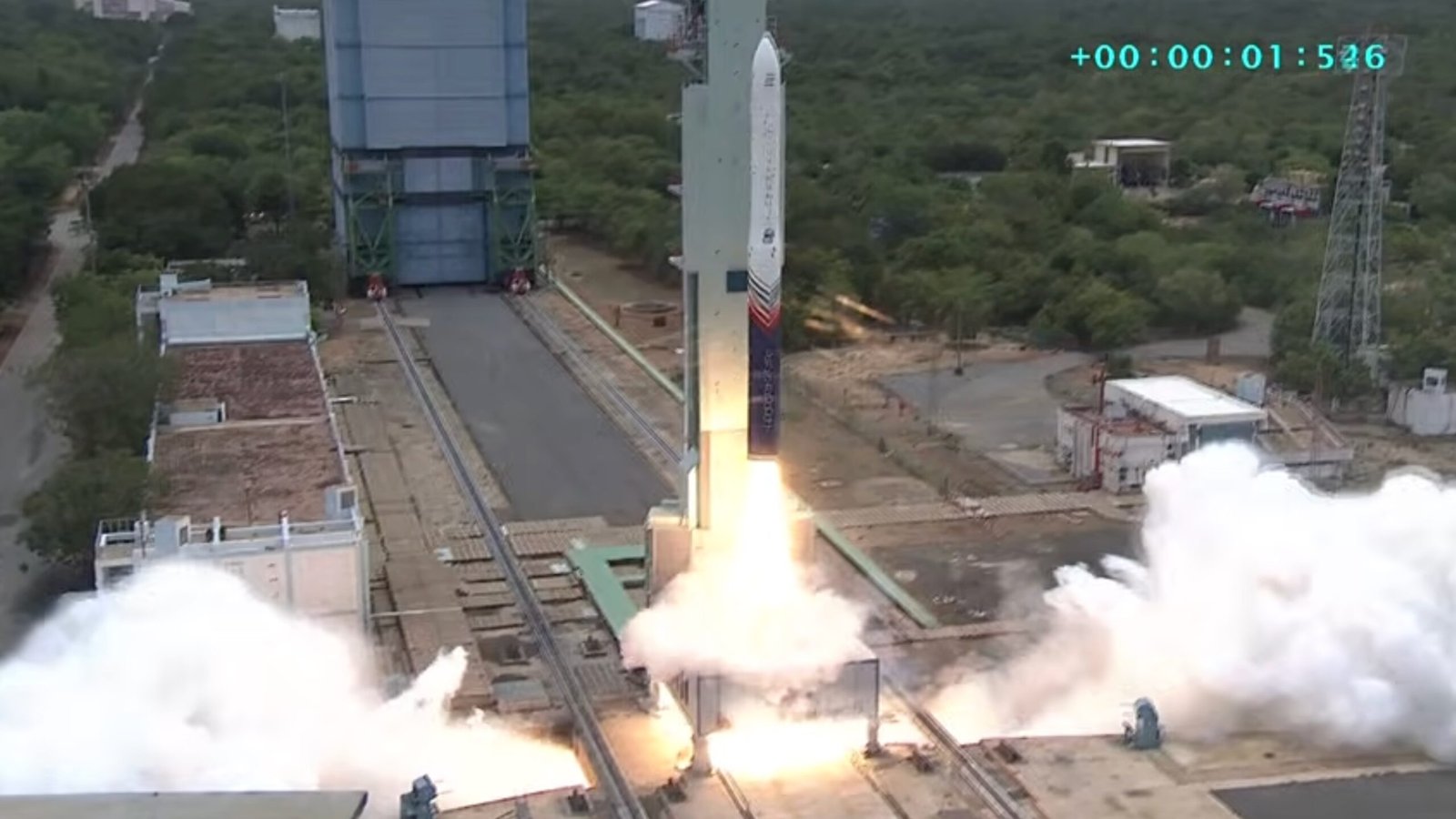
Rocket ke neeche se nikli powerful flames ne poore launch pad ko roshan kar diya.
Kuch hi seconds mein Vikram-1 aasman ko cheerte hue upar badhne laga.
Ye sirf ek rocket nahi udd raha tha…
India ka private space dream bhi uske saath upar ja raha tha.
Mission Control mein taaliyan bajne lagi.
Screens par telemetry stable thi.
Stage separation successful.
Orbital insertion successful.
Aur phir aaya woh message…
Mission Success.
Isi ek line ne Indian startup ecosystem ki history badal di.
Kyon Hai Yeh Launch Itna Important ?
Bahut log sochenge…
Rocket to pehle bhi launch hote aaye hain.
Phir Vikram-1 mein aisa kya special hai?
Jawab bahut simple hai.
Pehli baar India ki kisi private company ne apna khud ka orbital rocket successfully launch kiya.
Iska matlab…
India ab sirf government space missions tak limited nahi raha.
Ab startups bhi satellites ko space mein bhej sakte hain.
Commercial customers ke liye launch services de sakte hain.
Aur international space market mein entry kar sakte hain.
Yeh achievement sirf Skyroot ki nahi…
Poori Indian startup community ki achievement hai.
Kaun Hai Skyroot Aerospace ?
Agar aap pehli baar Skyroot ka naam sun rahe hain…
To chaliye is company ki kahani samajhte hain.
Skyroot Aerospace ek Indian private space technology company hai.
Iski shuruaat kuch passionate engineers ne ki thi.
In founders ka dream simple tha…
India ko private launch vehicle market mein world-class position dilana.
Jab company shuru hui thi…
Tab logon ko lagta tha ki private rocket banana bahut mushkil kaam hai.
Funding ka challenge.
Technology ka challenge.
Testing ka challenge.
Permissions ka challenge.
Har taraf obstacles hi obstacles the.
Lekin company ne har challenge ko opportunity bana diya.
Aaj wahi startup India ke history books mein apna naam likhwa chuka hai.
ISRO Aur Skyroot Ka Connection
Bahut log sochte hain ki private company ka matlab ISRO ka competition.
Lekin reality bilkul alag hai.
Skyroot aur ISRO ek dusre ke competitor nahi hain.
Dono India ke space ecosystem ko stronger bana rahe hain.
ISRO research aur national missions par focus karta hai.
Private companies commercial launches, innovation aur global market ko target karti hain.
Isi partnership model ki wajah se India ka space sector bahut fast grow kar raha hai.
Ye model America mein bhi successful raha hai.
NASA aur private companies milkar kaam karti hain.
Ab India bhi usi direction mein aage badh raha hai.
Vikram-1 Naam Hi Kyon ?
Rocket ka naam “Vikram” sunte hi bahut logon ko Chandrayaan yaad aa jata hai.
Aur ye coincidence nahi hai.
Is rocket ka naam Bharat ke legendary scientist Dr. Vikram Sarabhai ke samman mein rakha gaya hai.
Unhe Indian Space Programme ka Father mana jata hai.
Agar Dr. Vikram Sarabhai ne space research ka foundation na rakha hota…
To shayad aaj India yahan tak nahi pahunch pata.
Isi liye Skyroot ne apne launch vehicles ko “Vikram Series” naam diya.
Ye ek tribute bhi hai.
Aur ek inspiration bhi.
Ek Startup Se Historic Company Tak
Skyroot ne sirf rocket hi nahi banaya.
Company ne Indian engineering talent par duniya ka trust bhi badhaya.
Aaj international investors Indian space startups mein invest kar rahe hain.
Global satellite companies India ko ek affordable launch destination ke roop mein dekh rahi hain.
Aur iska sabse bada reason hai…
Indian engineers ki capability.
Is Launch Ka Sabse Bada Impact
Vikram-1 ki success ka matlab hai…
- India ki private companies orbital launch kar sakti hain.
- Foreign satellites India se launch ho sakti hain.
- Space startups ko naye investors milenge.
- Engineering students ke liye naye career opportunities khulengi.
- Make in India ko global recognition milega.
- India global commercial launch market mein aur mazboot position bana sakta hai.
Ye sirf ek mission nahi…
Ek economic opportunity bhi hai.
Students Ke Liye Is News Ka Matlab
Agar aap school ya college student hain…
To ye launch aapke future ko bhi impact kar sakta hai.
Aane wale kuch saalon mein India ko zarurat hogi—
- Rocket Engineers
- Aerospace Engineers
- AI Experts
- Robotics Specialists
- Satellite Designers
- Data Scientists
- Electronics Engineers
- Software Developers
- Material Scientists
Space industry sirf astronauts ke liye nahi hoti.
Hazaron alag-alag careers is ecosystem ka hissa hote hain.
Isliye agar aap science ya technology mein interest rakhte hain…
To ab opportunities pehle se kai guna zyada badhne wali hain.
ViraDome Quick Facts
| Question | Answer |
|---|---|
| Rocket Name | Vikram-1 |
| Built By | Skyroot Aerospace |
| Country | India |
| Type | Private Orbital Launch Vehicle |
| Mission | Satellite Deployment |
| Historic Achievement | India’s First Private Orbital Rocket |
| Launch Site | Sriharikota |
| Industry | Space Technology |
Chapter 01 Summary
Vikram-1 ki successful launch ne sirf ek rocket ko orbit tak nahi pahunchaya.
Isne India ke private space sector ko ek nayi pehchaan di hai.
Ye mission proof karta hai ki Indian startups ab sirf software ya apps tak simit nahi hain.
Ab woh rockets bhi bana rahe hain.
Aur duniya ke commercial space market mein confidently compete karne ke liye taiyar hain.
Is mission ke baad Indian space industry ka future pehle se kahin zyada bright nazar aa raha hai.
Next: Chapter 02 – Vikram-1 Rocket Explained | Mission Details, Technology, Payloads, Launch Sequence, Engineering Secrets & Why the World is Watching India
Vikram-1 Rocket Explained | Mission Details, Technology, Engineering & Why the World is Watching India
Series: ViraDome Space Files – Episode 02
Reader Dashboard
| Details | Information |
|---|---|
| Chapter | 02 |
| Focus | Vikram-1 Rocket Explained |
| Topic | Mission Technology & Launch Sequence |
| Level | Beginner Friendly |
| Reading Time | 12–15 Minutes |
| Best For | Students, Tech Enthusiasts, Space Lovers |
Quick Navigation
- Vikram-1 Rocket ko Samjhein
- Mission ka Main Objective
- Launch Sequence Step-by-Step
- Rocket ke Powerful Features
- Kaise Rocket Orbit Tak Pahunchta Hai?
- Satellite Deployment Process
- India vs Global Private Space Companies
- Challenges Behind the Mission
- ViraDome Analysis
Ab Samajhte Hain Vikram-1 Ko
Chapter 01 mein humne jaana ki Vikram-1 ki successful launch ne India ke private space sector ke liye history create kar di.
Lekin ek sawal abhi bhi bachta hai…
Aakhir Vikram-1 hai kya?
Bahut log rocket ko sirf ek lambi machine samajhte hain jo fuel jalakar aasman mein chali jaati hai.
Reality isse kaafi zyada interesting hai.
Ek orbital rocket duniya ki sabse complex engineering machines mein se ek hota hai.
Iske andar hazaron parts, sensors, computers, valves, communication systems aur propulsion technology ek saath kaam karte hain.
Launch ke waqt agar inmein se ek bhi critical system galat kaam kare, to poora mission fail ho sakta hai.
Isi wajah se successful orbital launch ko engineering ki sabse badi achievements mein maana jaata hai.
Vikram-1 Ka Mission Kya Tha ?
Har rocket ka ek purpose hota hai.
Kuch rockets astronauts ko lekar jaate hain.
Kuch scientific missions ke liye use hote hain.
Aur kuch satellites ko orbit tak pahunchate hain.
Vikram-1 ka primary objective tha:
- Satellites ko Low Earth Orbit (LEO) mein safely deploy karna.
- Private Indian launch capability ko demonstrate karna.
- Commercial launch market mein India ki entry ko strong banana.
- Future customers ko reliable launch service provide karne ka confidence dena.
Yeh mission sirf ek launch nahi tha.
Yeh ek live demonstration tha ki India ki private company bhi orbital missions ko successfully execute kar sakti hai.
Launch Day Ka Atmosphere
Launch ke din Sriharikota ka mahaul bilkul alag tha.
Mission Control Room mein engineers apni systems ko continuously monitor kar rahe the.
Har screen par alag-alag data aa raha tha.
Fuel pressure.
Engine temperature.
Weather.
Wind speed.
Communication signals.
Rocket ki health.
Countdown ke har second ke saath excitement badh rahi thi.
Launch sirf button dabane se nahi hota.
Usse pehle hazaron automated checks complete hote hain.
Agar kisi bhi system mein issue detect ho jaaye…
Countdown turant hold kiya ja sakta hai.
Isi wajah se space launches mein safety sabse pehli priority hoti hai.
Countdown Se Orbit Tak
Ek rocket launch kaafi dramatic lagta hai, lekin uske peeche science ka bahut bada role hota hai.
Step 1 – Final System Check
Launch se pehle har electronic system verify kiya jaata hai.
Computers ensure karte hain ki sab kuch perfectly ready ho.
Step 2 – Engine Ignition
Rocket ke engines ignite hote hi thousands of degrees temperature generate hota hai.
Isi energy ki wajah se rocket Earth ki gravity ko challenge karna shuru karta hai.
Step 3 – Liftoff
Rocket dheere-dheere launch pad se upar uthta hai.
Shuruaati kuch seconds sabse critical hote hain.
Isi phase mein maximum thrust ki zarurat hoti hai.
Step 4 – Maximum Dynamic Pressure
Jaise-jaise rocket speed increase karta hai, hawa ka pressure bhi badhta hai.
Is phase ko aerospace language mein Max-Q kaha jaata hai.
Yeh launch ka sabse stressful moment hota hai.
Rocket ko isi pressure ko safely handle karna padta hai.
Step 5 – Stage Separation
Rocket apna pehla fuel stage complete karta hai.
Uske baad first stage alag ho jaati hai.
Second stage ignition hota hai.
Yahi process rocket ko aur zyada height aur speed deta hai.
Stage separation ka timing milliseconds tak accurate hona chahiye.
Step 6 – Orbit Insertion
Jab required speed aur altitude achieve ho jaati hai…
Rocket satellites ko unki planned orbit mein release karta hai.
Isi moment ko mission success ka sabse important phase maana jaata hai.
Rocket Itna Tez Kaise Chalta Hai ?
Earth ki gravity bahut powerful hoti hai.
Kisi bhi object ko orbit tak pahunchane ke liye bahut high speed ki zarurat hoti hai.
Isi liye rocket sirf upar nahi jaata…
Woh continuously speed bhi increase karta hai.
Orbital velocity achieve karne ke baad satellite Earth ke around girte hue bhi continuously aage badhta rehta hai.
Isi process ko hum orbit kehte hain.
Simple language mein…
Satellite Earth se door nahi bhaag raha hota.
Woh Earth ke around continuously travel kar raha hota hai.
Vikram-1 Ki Engineering Ko Kya Banata Hai Special ?
Modern launch vehicles sirf fuel aur engine ka combination nahi hote.
Unke andar advanced technology ka istemal kiya jaata hai.
Jaise—
- Lightweight structural design
- High-performance propulsion
- Intelligent onboard computers
- Autonomous flight software
- Real-time telemetry systems
- Navigation and guidance technology
- Continuous health monitoring
Launch ke dauraan ye saare systems ek saath kaam karte hain.
Har second lakhon calculations automatically hoti rehti hain.
Isi wajah se rocket launch ko “flying computer” bhi kaha jaata hai.
Space Mission Mein Computer Ka Kitna Role Hota Hai?
Aaj ke rockets ko manually fly nahi kiya jaata.
Launch ke baad onboard flight computer hi decisions leta hai.
Agar rocket thoda bhi apne planned path se deviate kare…
To guidance system turant correction karta hai.
Human operators sirf monitoring karte hain.
Real control onboard computer ke paas hota hai.
Isi wajah se software engineers bhi space missions ka important hissa ban chuke hain.
Private Space Companies Duniya Ko Kyon Attract Kar Rahi Hain?
Pichhle kuch saalon mein private space industry bahut fast grow hui hai.
Reason simple hai.
Satellite launches ki demand continuously badh rahi hai.
Har saal duniya bhar mein naye communication satellites…
Internet satellites…
Earth observation satellites…
Weather satellites…
Research satellites…
Orbit mein bheje ja rahe hain.
Jitni demand badhegi…
Utni hi launch services ki zarurat hogi.
Aur isi market mein India apni jagah bana raha hai.
India Ki Sabse Badi Strength
Global space market mein India ko ek advantage milta hai.
Cost Efficiency
Indian engineering comparatively affordable hai.
Isliye customers ko high-quality launch reasonable cost par mil sakta hai.
Skilled Engineers
India har saal lakhon engineers produce karta hai.
Inmein se kai aerospace aur software field mein specialize karte hain.
Proven Space Experience
ISRO ke successful missions ne pehle hi India par global trust build kar diya hai.
Private companies usi ecosystem ka benefit le rahi hain.
Innovation
Indian startups naye ideas ke saath kaam kar rahe hain.
Fast development cycle unki strength ban chuki hai.
Mission Ke Peeche Ki Sabse Badi Challenge
Rocket banana sirf engineering project nahi hota.
Ye patience ka bhi test hota hai.
Ek launch se pehle saalon tak—
Research hoti hai.
Testing hoti hai.
Engine trials hote hain.
Material verification hoti hai.
Software simulations chalti hain.
Safety checks complete kiye jaate hain.
Kai baar failures bhi hote hain.
Lekin space industry ka sabse important rule hai…
Har failure ek nayi learning lekar aata hai.
Isi learning ki wajah se successful missions possible hote hain.
Students Kya Seekh Sakte Hain?
Vikram-1 sirf rocket science ki story nahi hai.
Ye teamwork ki story hai.
Planning ki story hai.
Consistency ki story hai.
Aur sabse important…
Dream ko reality mein badalne ki story hai.
Agar kuch engineers ek startup se shuru karke orbital rocket bana sakte hain…
To kisi bhi student ke liye impossible shabd ka matlab badal jaata hai.
ViraDome Analysis
Vikram-1 ki success se ek baat bilkul clear ho gayi hai.
India ab sirf space missions mein participate nahi kar raha…
Balki global commercial space economy ka important player banne ki direction mein tezi se badh raha hai.
Aane wale saalon mein private launch companies…
Satellite manufacturers…
Space software firms…
Aur aerospace startups India ki economy ka important hissa ban sakte hain.
Yeh mission us future ki pehli mazboot seedhi hai.
Chapter 02 Summary
Is chapter mein humne jaana ki Vikram-1 sirf ek rocket nahi, balki advanced engineering, software, propulsion aur teamwork ka behtareen example hai.
Har successful launch ke peeche saalon ki research, testing aur thousands of engineers ki mehnat hoti hai.
Vikram-1 ne yeh sabit kar diya hai ki India ka private space sector ab global level par apni pehchaan bana raha hai.
Coming Next – Chapter 03
India’s Private Space Revolution | Future Missions, Career Opportunities, Space Economy, FAQs, ViraDome Final Verdict, Timeline & Complete Conclusion
India’s Private Space Revolution | What Vikram-1 Means for the Future of India
Series: ViraDome Space Files – Episode 03 (Final)
Reader Dashboard
| Details | Information |
|---|---|
| Chapter | 03 (Final) |
| Focus | Future of India’s Private Space Industry |
| Reading Time | 12–15 Minutes |
| Best For | Students, Professionals, Space Enthusiasts |
| Category | Space & Technology |
Quick Navigation
- The Beginning of a New Space Era
- Opportunities for India
- Career Scope After Vikram-1
- India’s Future Space Missions
- Why This Launch Matters Globally
- Frequently Asked Questions (FAQs)
- ViraDome Final Verdict
- Timeline
- Final Conclusion
- Disclaimer
- Sources & References
Ek Rocket Se Shuru Hui Ek Nayi Kahani
Har desh ki history mein kuch aise moments hote hain jo sirf ek achievement nahi, balki ek naye yug ki shuruaat ban jaate hain.
India ke liye Vikram-1 ki successful orbital launch bhi unhi milestones mein se ek mani ja sakti hai.
Kuch saal pehle tak private space companies ka naam sirf America ya Europe ke context mein sunne ko milta tha.
Lekin aaj Bharat bhi us list mein apni mazboot jagah bana raha hai.
Yeh launch sirf Skyroot Aerospace ki jeet nahi hai.
Yeh un hazaron Indian engineers, scientists, researchers, startup founders aur students ke sapno ki jeet hai jo believe karte hain ki India duniya ke sabse bade innovation hubs mein se ek ban sakta hai.
Space industry mein entry lena kisi bhi company ke liye aasaan kaam nahi hota.
Yahan patience, funding, technology aur world-class engineering sab kuch ek saath chahiye hota hai.
Aur jab koi startup is level tak pahunchta hai, to woh poore ecosystem ke liye inspiration ban jaata hai.
India Ki Space Economy Ka Future
Experts ka maanna hai ki aane wale saalon mein global space economy ka size kaafi tezi se badhne wala hai.
Is growth ka matlab hai—
- Zyada satellite launches
- Better communication services
- High-speed internet solutions
- Earth observation missions
- Climate monitoring
- Disaster management
- Agriculture technology
- Navigation systems
- Scientific research
India agar isi speed se private space sector ko support karta raha, to desh global commercial launch market mein aur bhi strong position bana sakta hai.
Private companies innovation laayengi.
Government agencies research aur strategic missions par focus karengi.
Aur dono milkar India ko space powerhouse banane ki direction mein kaam kar sakte hain.
Students Ke Liye Golden Opportunity
Agar aap Class 10, 12 ya College mein padh rahe hain…
To aaj ka space sector pehle se kaafi alag hai.
Pehle log sochte the ki space industry ka matlab sirf astronaut banna hai.
Lekin reality bahut badi hai.
Aaj space industry mein careers available hain—
Engineering
- Aerospace Engineering
- Mechanical Engineering
- Electrical Engineering
- Electronics Engineering
- Computer Science
Software
- Artificial Intelligence
- Machine Learning
- Embedded Systems
- Cyber Security
- Cloud Computing
Research
- Physics
- Mathematics
- Material Science
- Robotics
- Satellite Technology
Management
- Space Policy
- Project Management
- Supply Chain
- Finance
- Business Development
Iska matlab hai ki har background ka student future mein space ecosystem ka hissa ban sakta hai.
India Ke Liye Is Achievement Ka Economic Impact
Rocket launch sirf science nahi hota.
Yeh business bhi hota hai.
Jab koi country satellites launch karti hai…
To international companies bhi us desh ki services use kar sakti hain.
Isse—
- Foreign investment badhta hai.
- Employment opportunities create hoti hain.
- New startups shuru hote hain.
- Manufacturing sector grow karta hai.
- Research ecosystem strong hota hai.
Isi wajah se duniya bhar ke countries apni space capabilities ko continuously improve kar rahe hain.
Aage Kya Ho Sakta Hai?
Vikram-1 ke baad Indian private space industry ke liye kai naye doors open ho sakte hain.
Future mein hum dekh sakte hain—
- Regular commercial satellite launches
- International customers ke missions
- Advanced launch vehicles
- Reusable rocket technologies
- Small satellite deployment services
- Deep-space technology development
- Space-based internet solutions
- Private space infrastructure
Yeh sab overnight nahi hoga.
Lekin Vikram-1 ne ek strong foundation zarur create kar di hai.
Bharat Ka Space Dream Ab Aur Bada Hai
India ne pichhle kuch saalon mein Chandrayaan, Aditya-L1 aur anya missions ke through apni capability dikhayi hai.
Ab private companies ke successful missions yeh batate hain ki desh ka space ecosystem sirf government tak simit nahi raha.
Ye collaboration ka model hai.
Aur isi collaboration se innovation aur speed dono badhte hain.
Frequently Asked Questions (FAQs)
Q1. Vikram-1 kis company ne develop kiya?
Vikram-1 ko Indian private space company Skyroot Aerospace ne develop kiya hai.
Q2. Is launch ko historic kyon mana ja raha hai?
Kyuki isse India ki private space capability ko ek naya milestone mila aur commercial orbital launch ecosystem ko mazbooti mili.
Q3. Kya private companies ISRO ki jagah le lengi?
Nahi.
Private companies aur ISRO alag roles nibhate hain.
Dono milkar Indian space ecosystem ko strong banate hain.
Q4. Kya students space industry mein career bana sakte hain?
Bilkul.
Engineering, Software, AI, Robotics, Physics, Data Science aur Management jaise fields mein bahut opportunities hain.
Q5. Kya future mein aur bhi private rockets launch honge?
Agar current growth isi tarah continue rahi to India se aur bhi private launch vehicles aur commercial missions dekhne ko mil sakte hain.
Complete Timeline
| Year | Important Event |
|---|---|
| 1969 | ISRO ki sthapna |
| 2022 | Indian space sector private participation ke liye aur open hua |
| 2022 | Skyroot ne Vikram-S suborbital mission se history banayi |
| 2026 | Vikram-1 orbital mission ne private launch ecosystem ko naya confidence diya |
| Future | Commercial launches aur advanced private missions ki sambhavnayein |
ViraDome Final Verdict
Space race sirf rockets ki race nahi hoti.
Ye ideas ki race hoti hai.
Innovation ki race hoti hai.
Aur sabse important…
Confidence ki race hoti hai.
Vikram-1 ne yeh prove kiya hai ki agar vision clear ho, talented team ho aur continuous hard work kiya jaaye, to Indian startups bhi duniya ke toughest engineering challenges ko solve kar sakte hain.
Ye mission future generations ke liye ek message hai—
Sapne sirf dekhe nahi jaate… unhe design, test aur launch bhi kiya ja sakta hai.
Ho sakta hai aaj ka koi school student hi kal India ka agla reusable rocket design kare.
Ho sakta hai kisi college ki lab se next-generation propulsion technology nikle.
Aur ho sakta hai agla historic launch kisi aur Indian startup ke naam ho.
Vikram-1 ne bas ek rocket launch nahi kiya…
Usne Bharat ke lakhon yuvaon ke sapnon ko ek nayi direction di hai.
Final Conclusion
India ka private space sector ab apni pehchaan bana raha hai.
Skyroot Aerospace ka Vikram-1 mission is baat ka pramaan hai ki Bharat innovation, engineering aur entrepreneurship ke dum par global space industry mein apni jagah mazboot kar raha hai.
Aane wale saalon mein space technology sirf scientists tak simit nahi rahegi, balki students, startups, software developers, manufacturers aur entrepreneurs ke liye bhi naye avsar lekar aayegi.
Yeh safar abhi shuru hua hai.
Aur agar isi raftaar se Bharat aage badhta raha, to future mein “Made in India” rockets duniya ke kai deshon ke satellites ko space tak pahunchate nazar aa sakte hain.
ViraDome Editorial Note
ViraDome ka uddeshya readers tak technology, science aur current affairs se judi jaankari ko aasaan aur bharosemand tareeke se pahunchana hai. Hum aise topics ko simple Hinglish mein explain karte hain taaki students, professionals aur general readers sabhi space aur technology jaise complex subjects ko aasani se samajh saken.
Disclaimer
Yeh article educational, informational aur news-awareness purpose ke liye tayyar kiya gaya hai. Is article mein di gayi jaankari launch se sambandhit publicly available official announcements, company updates aur trusted news reports par aadharit hai. Space missions ke technical details, payload information, mission objectives ya future plans samay ke saath update ho sakte hain. Is article ka uddeshya kisi bhi official statement ko replace karna nahi hai. Sabse latest aur authentic jaankari ke liye hamesha Skyroot Aerospace, ISRO aur anya adhikarik sources ko refer karein. ViraDome kisi bhi technical, financial ya professional decision ke liye is article ko ekmatra source ke roop mein use karne ki salah nahi deta.
Sources & References
- Official updates from Skyroot Aerospace
- Official information published by ISRO (Indian Space Research Organisation)
- IN-SPACe (Indian National Space Promotion and Authorization Center)
- Trusted national and international news reports covering the Vikram-1 mission
- Publicly available aerospace and launch industry documentation
Presented by ViraDome.in
“Where Curiosity Meets Knowledge.”